

A 2022 UK Biobank study, a 2021 meta-analysis, and why the intervention is simpler than you might think.
Most people don't associate their hand with their brain. The research disagrees.
A 2022 UK Biobank study of 466,788 adults tracked grip strength against long-term dementia outcomes. Participants in the lowest quintile of grip strength had a 72% higher risk of developing dementia and an 87% higher risk of dying from it, compared with those in the highest quintile. The authors calculated that 30% of dementia cases in the study population were attributable to low grip strength.
A 2021 meta-analysis pooled 15 longitudinal cohort studies and confirmed the pattern. Poorer grip strength predicted a 99% higher risk of cognitive decline and a 54% higher risk of dementia. The relationship held across Alzheimer's disease and non-Alzheimer dementias.
Both studies are observational, which is worth naming directly. They demonstrate a strong and reproducible association between grip strength and cognitive outcomes. They do not, on their own, prove that improving your grip strength improves your outcomes. But they do point to grip strength as a biomarker with genuine predictive power.
The nuance worth holding: this isn't a story about squeezing a stress ball. Grip strength is the visible tip of total-body strength, muscle mass, and neurological integrity. It's a proxy for the systemic health of the person holding the dynamometer.
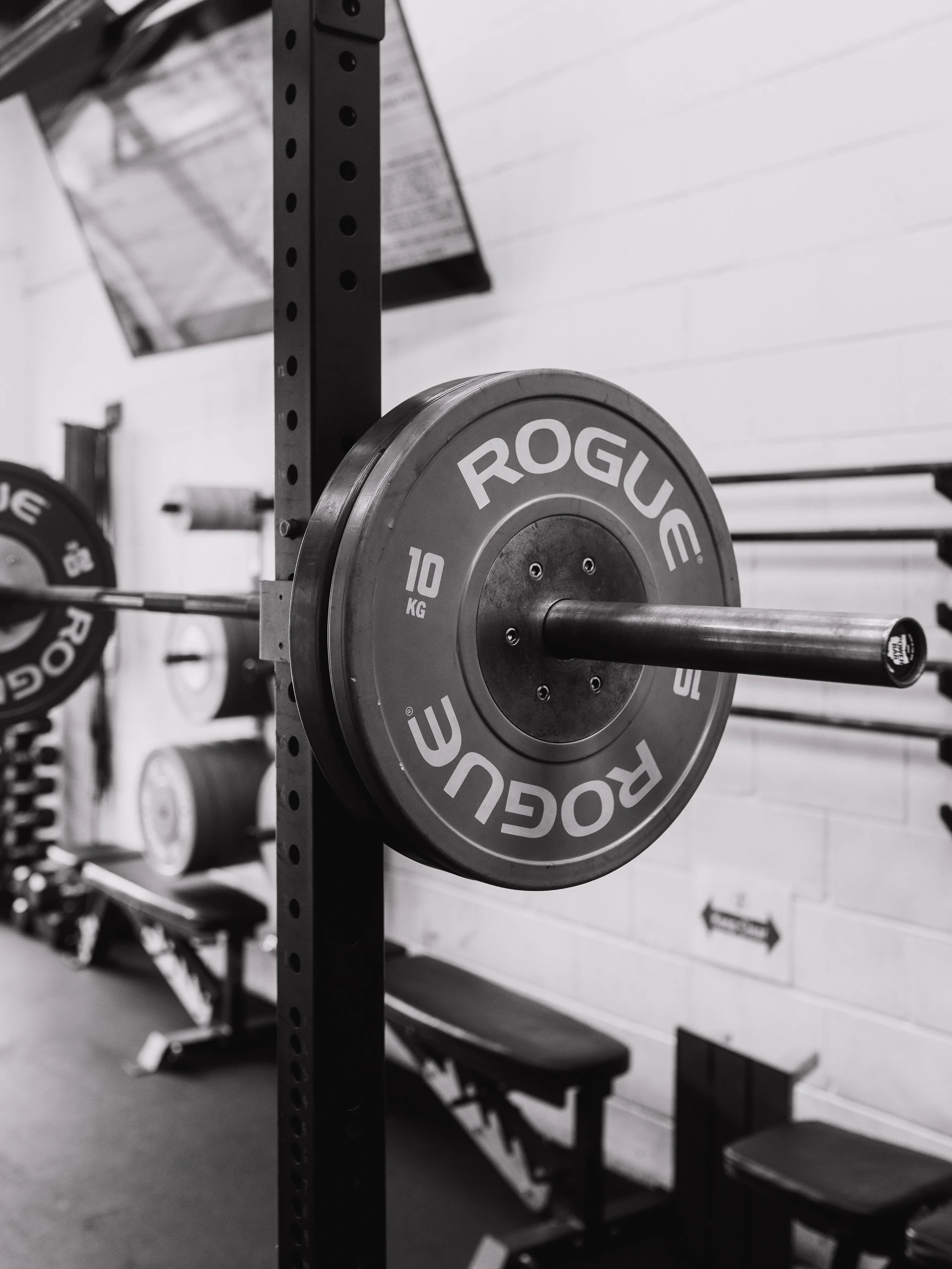
The practical read is straightforward. The movements that train grip also train the systems that appear to protect against cognitive decline. Deadlifts. Farmer's carries. Dead hangs. Pull-ups. If a resistance programme features these lifts, grip strength gets built as a byproduct. A dedicated grip protocol is rarely necessary. What's necessary is loading the hands under weight that matters, consistently, over years.
If you're forty and thinking about your seventies, this is the kind of finding worth acting on.
ReferencesEsteban-Cornejo I et al. Handgrip strength and all-cause dementia incidence and mortality: findings from the UK Biobank prospective cohort study. J Cachexia Sarcopenia Muscle, 2022. DOI: 10.1002/jcsm.12857Cui M et al. Grip Strength and the Risk of Cognitive Decline and Dementia: A Systematic Review and Meta-Analysis of Longitudinal Cohort Studies. Front Aging Neurosci, 2021. DOI: 10.3389/fnagi.2021.625551